
Actors' Renaissance Season 2008

David Loar and Benjamin Curns in MACBETH. Photo by TOMMY THOMPSON. 2008.

Rick Blunt in MACBETH. Photo by TOMMY THOMPSON. 2008.

Allison Glenzer and Benjamin Curns in MACBETH. Photo by TOMMY THOMPSON. 2008.

Alyssa Wilmoth in MACBETH. Photo by TOMMY THOMPSON. 2008.

Allison Glenzer in MACBETH. Photo by TOMMY THOMPSON. 2008.

The cast of MACBETH. Photo by TOMMY THOMPSON. 2008.

David Loar and Benjamin Curns in MACBETH. Photo by TOMMY THOMPSON. 2008.

Joan Sacco in MACBETH. Photo by TOMMY THOMPSON. 2008.

Allison Glenzer in MACBETH. Photo by TOMMY THOMPSON. 2008.

David Loar and Allison Glenzer in MACBETH. Photo by TOMMY THOMPSON. 2008.
Cast
A Witch
previously with asc: Lady Macduff in Macbeth, Nano in Volpone, Arviragus in Cymbeline, Abigail in The Jew of Malta, Julia in The Two Gentlemen of Verona. other theatres: Chorus in …

THIS SEASON: Host, Mistress Quickly in The Merry Wives of Windsor; Earl of Westmoreland, Mistress Quickly in Henry IV, Part 1…

THIS SEASON: Friar Lawrence in Romeo and Juliet and Antipholus of Ephesus in The Comedy of Errors.
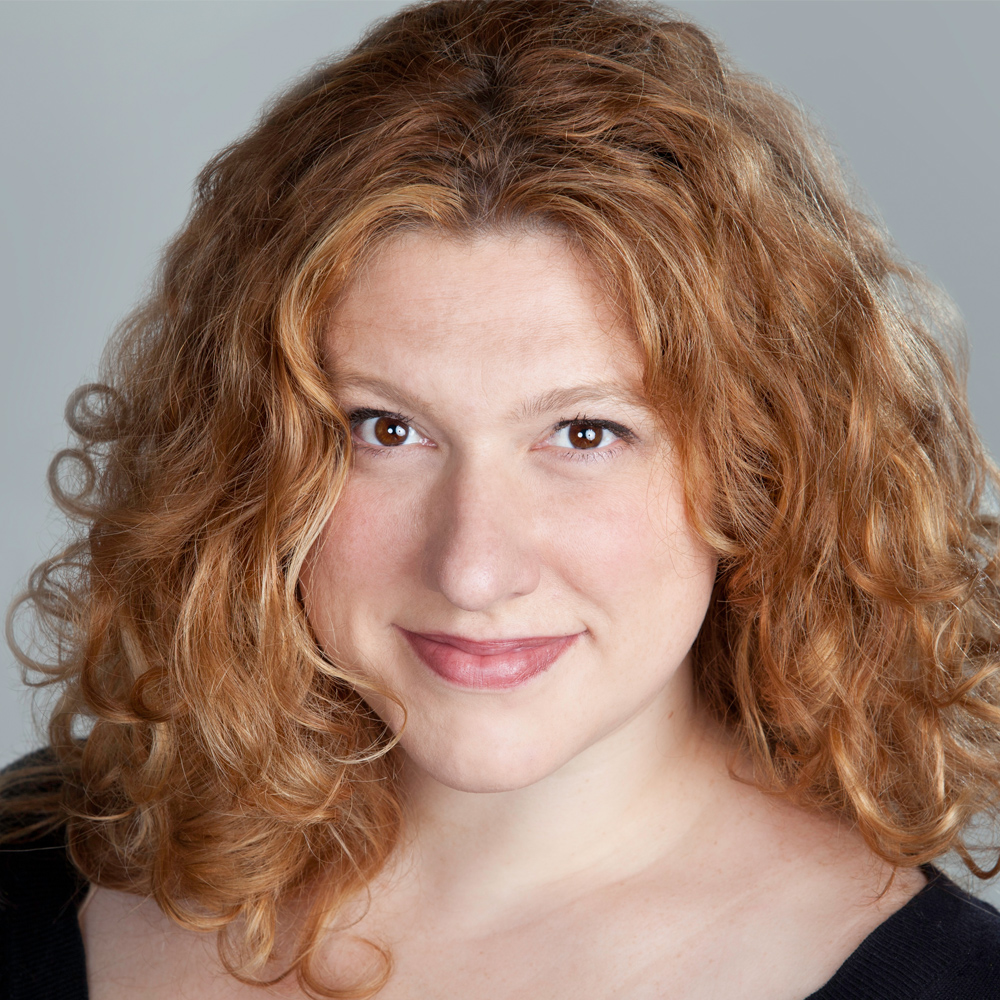
More than 186 roles in 101 productions, including Volumnia in Coriolanus, Olivia in Twelfth Night; Regan in King Lear; Margaret in both Henry VI, Part 1 and Part 2; Isabella in Measure for Measure;…

THIS SEASON: Antonio in The Tempest; Cleon, Simonides, Ensemble in Pericles; Prospero in Une Tempête
Malcolm
previously with asc: Cordelia in King Lear, Viola in Twelfth Night, Mariana in Measure for Measure, Duchess of Gloucester in Richard II. other theatres: Mrs. Martin in Thomas and Friends …
Donalbain
previously with asc: Lady Macduff in Macbeth, Nano in Volpone, Arviragus in Cymbeline, Abigail in The Jew of Malta, Julia in The Two Gentlemen of Verona. other theatres: Chorus in …
Macbeth
Benjamin has been an Artistic Associate with the American Shakespeare Center since 2001. He has toured the country twice as an actor (Bright Heaven of Invention and Excellent Motion tours) and once as the Company Manager for the Beguile the Rich tour.
More than 186 roles in 101 productions, including Volumnia in Coriolanus, Olivia in Twelfth Night; Regan in King Lear; Margaret in both Henry VI, Part 1 and Part 2; Isabella in Measure for Measure;…
THIS SEASON: Friar Lawrence in Romeo and Juliet and Antipholus of Ephesus in The Comedy of Errors.
Lady Macduff
previously with asc: Lady Macduff in Macbeth, Nano in Volpone, Arviragus in Cymbeline, Abigail in The Jew of Malta, Julia in The Two Gentlemen of Verona. other theatres: Chorus in …
Macduff's Son
previously with asc: Juliet in Measure for Measure, Angus, Macduff’s son in Macbeth, Amoretta in The Witch. other theatres: Puck in A Midsummer Night’s Dream (Pennsylvania Renaissane Faire, Manheim, PA); …
Banquo
previously with asc: Banquo in Macbeth, Corbaccio in Volpone, Cymbeline in Cymbeline, Ferneze in The Jew of Malta, Capulet in Romeo and Juliet, Boyet, Dull in Love’s Labour’s Lost, Brabantio, …
Fleance
previously with asc: Lady Macduff in Macbeth, Nano in Volpone, Arviragus in Cymbeline, Abigail in The Jew of Malta, Julia in The Two Gentlemen of Verona. other theatres: Chorus in …
Thane of Ross
previously with asc: 44 roles in 21 productions, including Cyrano in Cyrano de Bergerac; Benedick in Much Ado About Nothing; Puck in A Midsummer Night’s Dream; Warwick in Henry VI, …
Thane of Lennox
previously with asc: Curio, ensemble in Twelfth Night, Lennox in Macbeth. other theatres: Mark in A Talent for Murder (Oak Grove Theatre, Staunton, VA); Versati in The Underpants (Gorilla Tango …
Thane of Angus
previously with asc: Juliet in Measure for Measure, Angus, Macduff’s son in Macbeth, Amoretta in The Witch. other theatres: Puck in A Midsummer Night’s Dream (Pennsylvania Renaissane Faire, Manheim, PA); …
Thane of Menteith
previously with asc: Burgundy in King Lear, Valentine, Fabian in Twelfth Night, Abhorson in Measure for Measure, Bloody Captain in Macbeth, Roman Captain in Cymbeline. other theatres: Demetrius in A …
THIS SEASON: Host, Mistress Quickly in The Merry Wives of Windsor; Earl of Westmoreland, Mistress Quickly in Henry IV, Part 1…
Siward
previously with asc: Banquo in Macbeth, Corbaccio in Volpone, Cymbeline in Cymbeline, Ferneze in The Jew of Malta, Capulet in Romeo and Juliet, Boyet, Dull in Love’s Labour’s Lost, Brabantio, …
Young Siward
previously with asc: 44 roles in 21 productions, including Cyrano in Cyrano de Bergerac; Benedick in Much Ado About Nothing; Puck in A Midsummer Night’s Dream; Warwick in Henry VI, …
THIS SEASON: Host, Mistress Quickly in The Merry Wives of Windsor; Earl of Westmoreland, Mistress Quickly in Henry IV, Part 1…
A Bloody Captain
previously with asc: Burgundy in King Lear, Valentine, Fabian in Twelfth Night, Abhorson in Measure for Measure, Bloody Captain in Macbeth, Roman Captain in Cymbeline. other theatres: Demetrius in A …
Doctor
previously with asc: Banquo in Macbeth, Corbaccio in Volpone, Cymbeline in Cymbeline, Ferneze in The Jew of Malta, Capulet in Romeo and Juliet, Boyet, Dull in Love’s Labour’s Lost, Brabantio, …
Gentlewoman
previously with asc: Lady Macduff in Macbeth, Nano in Volpone, Arviragus in Cymbeline, Abigail in The Jew of Malta, Julia in The Two Gentlemen of Verona. other theatres: Chorus in …
THIS SEASON: Antonio in The Tempest; Cleon, Simonides, Ensemble in Pericles; Prospero in Une Tempête
THIS SEASON: Antonio in The Tempest; Cleon, Simonides, Ensemble in Pericles; Prospero in Une Tempête
THIS SEASON: Host, Mistress Quickly in The Merry Wives of Windsor; Earl of Westmoreland, Mistress Quickly in Henry IV, Part 1…
A Murderer
previously with asc: Burgundy in King Lear, Valentine, Fabian in Twelfth Night, Abhorson in Measure for Measure, Bloody Captain in Macbeth, Roman Captain in Cymbeline. other theatres: Demetrius in A …
Artistic Team

PREVIOUSLY WITH ASC: 27 seasons and over 200 roles including Falstaff in Henry IV, Parts 1 & 2; Brutus in Julius Caesar; Iago in Othello; Guildenstern in Rosencrantz and Guildenstern …
Prompter
previously with asc: Burgundy in King Lear, Valentine, Fabian in Twelfth Night, Abhorson in Measure for Measure, Bloody Captain in Macbeth, Roman Captain in Cymbeline. other theatres: Demetrius in A …
Prompter
previously with asC: Florida in The Witch. other theatres: Gertrude, Ophelia in Hamlet (AFTLS, US Tour); Helga in Kindertransport (Octagon Theatre, Bolton, Lancashire); Lucio, Marianna, Elbow in Measure for Measure …
Stuff that happens during the play
- Three “weird sisters” plan to meet with Macbeth.
- The King of Scotland (Duncan) and his sons (Malcolm and Donalbain) receive reports that Macbeth, who is the Thane (Lord) of Glamis, and Banquo have been victorious in battle against Norway and the Scottish rebels, including the Thane of Cawdor. Duncan orders the execution of Cawdor.
- Macbeth and Banquo encounter the weird sisters, who predict that Macbeth will be pronounced Thane of Cawdor, then King; and that Banquo’s children will be kings. Almost immediately, news arrives that King Duncan has named Macbeth the new Thane of Cawdor.
- By naming his son Malcolm the Prince of Cumberland, Duncan declares that Malcolm will succeed him on the throne. Duncan then invites himself to Macbeth’s castle, Inverness.
- Lady Macbeth reads a letter from Macbeth telling her about the weird sisters’ prophesies; when Macbeth arrives, she urges him to “catch the nearest way” to the throne by killing Duncan.
- Macbeth agrees to the deed and, after changing and rechanging his mind, kills the sleeping King that night. Lady Macbeth places the bloody daggers to frame the drugged guards for the murder.
- Macduff discovers the murdered King in the morning, and Macbeth kills the guards out of “violent love” for the dead King.
- The King’s sons, Malcolm and Donalbain, flee to England and to Ireland, respectively, fearing that they will be blamed for Duncan’s murder.
- Macbeth becomes King and, in fear of the third prophesy (that Banquo’s sons will be kings), orders the murders of Banquo and his son, Fleance. Banquo is killed, but his son escapes.
- The ghost of Banquo appears at a royal banquet, but only Macbeth can see him. After Lady Macbeth dismisses the guests, Macbeth resolves to revisit the weird sisters and foresees more violence to come.
- The weird sisters use their magic to conjure apparitions who assure Macbeth that he cannot be defeated by anyone “of woman born” or vanquished until the Birnam Forest itself attacks him at his castle on Dunsinane hill (an unlikely occurrence, in Macbeth’s mind).
- Macbeth orders the death of Macduff’s family.
- Macduff joins Malcolm’s army in England. After Malcolm tests Macduff’s loyalty to Macbeth, Ross reports the savage murder of Macduff’s family, and Macduff swears to kill Macbeth.
- Violence and death ensue.
No time on their hands
“If it were done,” says Macbeth, contemplating the murder of his king and kinsman, “’twere well it were done quickly.” To be true to its theme, the play has to be quick, and at 2200 lines it is Shakespeare’s shortest tragedy (Hamlet, his longest, is 4200 lines).
Macbeth is about a man and a woman who take the quickest way, and Shakespeare throws that “quickest way” into relief by juxtaposing it with the slower ways, the ways of nature. The Macbeths choose to shorten time through murder, to leapfrog over the natural process of coming to the throne, and in so doing they set themselves against the rhythms of nature, against growing things. Duncan says to Banquo, “I have begun to plant thee and will labor to make thee full of growing” (1.4.28-29), and images of this sort of natural and slow fruition are everywhere associated with Macbeth’s enemies, primarily through children.
When Macduff learns of the slaughter of his family and Malcolm tells him to cure his grief by making a medicine of revenge, Macduff explains in four words how impossible it would be for him to revenge his dead family on Macbeth: “He has no children.”
But Shakespeare has given almost everyone else in the play children. Duncan (whom Macbeth kills) has Malcolm and Donalbain, Banquo has Fleance (whom Macbeth tries to kill), Macduff has little Macduff and his “little chickens” (whom Macbeth kills), Old Siward has Young Siward (whom Macbeth kills). This insistent evidence of generation surrounds and mocks Macbeth, who from the start has been bothered by the witches’ prediction that Banquo’s descendants would inherit the throne: his first words to Banquo about the witches’ prophecy are “your children shall be kings.” Later, having got the crown, he complains that the witches “put a barren scepter in my grip, thence to be wretched with an unlineal hand, no son of mine succeeding.”
Generation, slow generation, is the enemy of Macbeth, and he contemplates the natural progression of time with horror.
In theatrical terms this means that the events unfolding in Scotland – the events confronting the Macbeths on their “fast track” – do so in an accelerated way. This marriage of form and function may even explain the one scene in the second half of the play that does not hurry, Act Four, scene three, where the conversation between Malcolm and Macduff seems so slow. That scene takes place in England, where the man the play honors, James I, would want to see himself as part of that “slow generation.”
Ralph Alan Cohen
Director of Mission