
Summer/Fall 2009

Victoria Reinsel and Sarah Fallon in MUCH ADO ABOUT NOTHING. Photo by TOMMY THOMPSON. 2009.

John Harrell and Sarah Fallon in MUCH ADO ABOUT NOTHING. Photo by TOMMY THOMPSON. 2009.

Nolan Carey, Christopher Seiler, and David Yiorgios Rigney in MUCH ADO ABOUT NOTHING. Photo by TOMMY THOMPSON. 2009.

Allison Glenzer and Chris Johnston in MUCH ADO ABOUT NOTHING. Photo by TOMMY THOMPSON. 2009.

Sarah Fallon and René Thornton, Jr. in MUCH ADO ABOUT NOTHING. Photo by TOMMY THOMPSON. 2009.

Tobias Shaw, James Keegan, and Victoria Reinsel in MUCH ADO ABOUT NOTHING. Photo by TOMMY THOMPSON. 2009.

René Thornton, Jr. in MUCH ADO ABOUT NOTHING. Photo by TOMMY THOMPSON. 2009.

Sarah Fallon and Victoria Reinsel in MUCH ADO ABOUT NOTHING. Photo by TOMMY THOMPSON. 2009.

Allison Glenzer, Sarah Fallon, and Victoria Reinsel in MUCH ADO ABOUT NOTHING. Photo by TOMMY THOMPSON. 2009.

The cast of MUCH ADO ABOUT NOTHING. Photo by TOMMY THOMPSON. 2009.
Cast

THIS SEASON: Antonio in The Tempest; Cleon, Simonides, Ensemble in Pericles; Prospero in Une Tempête
Hero
previously at asc: Hero in Much Ado About Nothing; Anne Page in The Merry Wives of Windsor; Lavinia in Titus Andronicus; Sordido in The Revenger’s Tragedy. other theatres: Caliban, Ferdinand, …

THIS SEASON: Mark Antony in JULIUS CAESAR, Mrs. Bennet & Lady Catherine de Bourgh in PRIDE AND PREJUDICE, Egeus & Flute in A MIDSUMMER NIGHT’S DREAM
Antonio
Previously with asc: Antonio, Seacoal in Much Ado About Nothing; Dr. Caius, Bardolph in The Merry Wives of Windsor; Chiron in Titus Andronicus; Bardolph, Northumberland, Mortimer in Henry IV, Part …
Margaret
Previously with asc: 28 roles in 13 productions, including Lady Macbeth in Macbeth; Rosalind in As You Like It; Elbow, Marianna in Measure for Measure; Mistress Page in The Merry …
Ursula
Previously at asc: Hippolyta, Cobweb in A Midsummer Night’s Dream; Jaquine in The Blind Beggar of Alexandria. other theatres: Prospero in The Tempest (University Wits, Mary Baldwin College); Friar Lawrence, …

PREVIOUSLY WITH ASC: 27 seasons and over 200 roles including Falstaff in Henry IV, Parts 1 & 2; Brutus in Julius Caesar; Iago in Othello; Guildenstern in Rosencrantz and Guildenstern …
Claudio
previously with asc: Claudio in Much Ado About Nothing; Fenton, Pistol in The Merry Wives of Windsor; Bassianus in Titus Andronicus; Hotspur in Titus Andronicus; Prince Petty-Man in The Rehearsal. …

PREVIOUSLY WITH ASC: More than 137 roles in 113 productions, including the title roles in Coriolanus; King Lear; Edward II; Timon of Athens; The Merchant of Venice; Pericles; Doctor Faustus; …
Don John
previously with asc: Hamlet in Hamlet; Hamlet in Rosencrantz and Guildenstern Are Dead; Antipholus of Ephesus in The Comedy of Errors. other theatres: Benedick in Much Ado About Nothing, Roderigo …

Chris Johnston has over 20 years of theatre experience and more than 120 productions at the American Shakespeare Center.
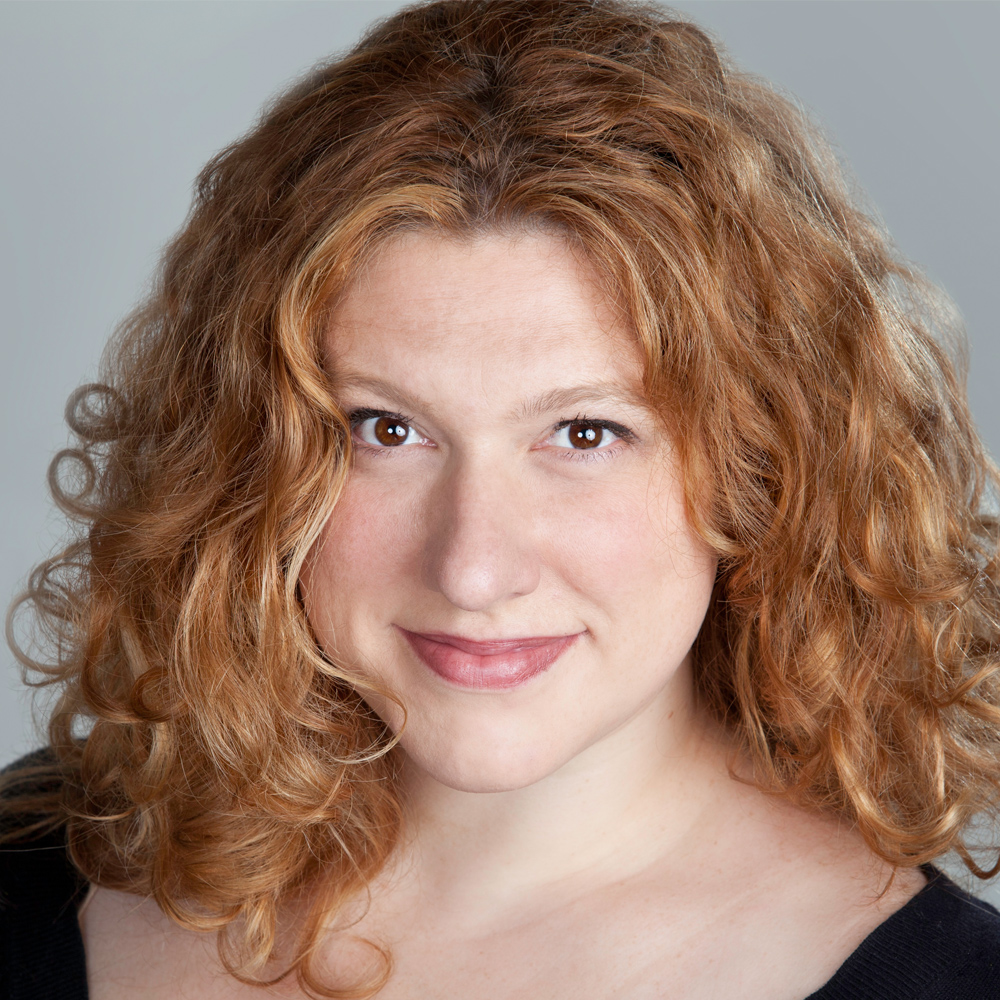
More than 186 roles in 101 productions, including Volumnia in Coriolanus, Olivia in Twelfth Night; Regan in King Lear; Margaret in both Henry VI, Part 1 and Part 2; Isabella in Measure for Measure;…

Christopher Seiler is a seasoned actor and musician whose performances embody transformation and connection, captivating audiences at ASC and beyond.
Verges
previously with asc: Hamlet in Hamlet; Hamlet in Rosencrantz and Guildenstern Are Dead; Antipholus of Ephesus in The Comedy of Errors. other theatres: Benedick in Much Ado About Nothing, Roderigo …
First Watchman
Previously with asc: Snout in A Midsummer Night’s Dream; Junior Brother, Piero, Nencio in The Revenger’s Tragedy. education: MLitt and currently pursuing a MFA in Shakespeare and Renaissance Literature in …
George Seacoal
Previously with asc: Antonio, Seacoal in Much Ado About Nothing; Dr. Caius, Bardolph in The Merry Wives of Windsor; Chiron in Titus Andronicus; Bardolph, Northumberland, Mortimer in Henry IV, Part …
Chris Johnston has over 20 years of theatre experience and more than 120 productions at the American Shakespeare Center.
More than 186 roles in 101 productions, including Volumnia in Coriolanus, Olivia in Twelfth Night; Regan in King Lear; Margaret in both Henry VI, Part 1 and Part 2; Isabella in Measure for Measure;…
A Sexton
Previously with asc: 28 roles in 13 productions, including Lady Macbeth in Macbeth; Rosalind in As You Like It; Elbow, Marianna in Measure for Measure; Mistress Page in The Merry …
A Boy
Previously at asc: Hippolyta, Cobweb in A Midsummer Night’s Dream; Jaquine in The Blind Beggar of Alexandria. other theatres: Prospero in The Tempest (University Wits, Mary Baldwin College); Friar Lawrence, …
Artistic Team
Director
Jim Warren is the Artistic Director and Co-Founder of the American Shakespeare Center. He directed ASC’s first show, Richard III (in which he played Buckingham), and by the end of …
Assistant Director/Stage Manager
Aaron has been the Resident Troupe Manager since the 2008 Summer Season. In previous seasons with the ASC, Aaron has directed The Santaland Diaries and A Christmas Carol; been the …
Fight Director/Dance Choreography
Colleen Kelly is an accomplished fight choreographer and director whose extensive experience with ASC spans over two decades.

Jenny McNee joined the ASC in 2002 after studying in Richmond, Charlottesville, and Edinburgh, Scotland. She has designed and built nearly 100 shows (60 resident and touring shows, 35 holiday …

Jay joined the ASC in 1999. He was instrumental in the opening of the Playhouse and conceived and developed the Actors’ Renaissance Season.
Stage Properties
Sam is a retired Air Force Lt. Colonel who has worked in theatres across the United States. He is a technical director for the theatre department at Mary Baldwin College …
Stuff that happens during the play
- Leonato, Governor of Messina, welcomes the victorious Don Pedro, Prince of Aragon, and his companions as they return from battle.
- Beatrice (Leonato’s niece) and Benedick (Don Pedro’s friend) resume their “merry war” and verbally spar with one another. Both swear they will never fall in love.
- Claudio (Don Pedro’s younger friend) tells Benedick and Don Pedro that he is in love with Leonato’s daughter, Hero.
- Don Pedro devises a plan in which he will pretend to be Claudio at a masked party, woo Hero for Claudio, and then get Leonato to give consent for Hero to marry Claudio.
- Leonato and his brother Antonio prepare for the evening party and mistakenly think Don Pedro wants to marry Hero.
- Don John, bastard brother of Don Pedro, tells his man Conrad “I cannot hide what I am…a plain dealing villain.”
- At the party, seizing his opportunity to get even with Claudio (whom he despises), Don John convinces Claudio that Don Pedro has wooed Hero for himself.
- Don Pedro and Leonato clear the air when they reveal that Claudio may marry Hero.
- Don John devises another plot against Claudio in which Borachio, another of his men, will make Claudio believe Hero has been unfaithful.
- Knowing that Benedick is eavesdropping on them and thus will overhear, Don Pedro, Claudio, and Leonato pretend to be aware that Beatrice has professed her love for Benedick.
- Knowing that Beatrice is eavesdropping on them and thus will overhear, Hero and her gentlewoman Ursula pretend to be aware that Benedick has professed his love for Beatrice.
- Don John puts his plot into motion by telling Claudio that his fiancée “is disloyal” and invites him and Don Pedro to go “see her chamber window entered, even the night before her wedding day.” Claudio vows that if he should “see anything to-night why [he] should not marry her, tomorrow…will [he] shame her.”
- Dogberry the Constable and his partner Verges prepare their watchmen for the night patrol.
- Borachio tells Conrad how he tricked Claudio into believing Hero was unfaithful. The watchmen overhear and arrest Borachio and Conrad.
- Before Dogberry and the watchmen can reveal the truth, Claudio rejects Hero and publicly shames her at the wedding; Hero faints, Don Pedro and Claudio depart.
- Friar Francis devises a plot in which Leonato tells Claudio that Hero “died upon his words…Then he shall mourn and wish he had not accused her.”
- In the aftermath of the ruined wedding, Beatrice and Benedick finally profess their love to one another.
- Beatrice asks Benedick to kill Claudio for shaming Hero.
- Attempts to thwart Don John’s villainy and get to a happy ending ensue.
Everything and nothing
Much Ado About Nothing has had a rich performance history over the centuries. First performed y Shakespeare’s company in late 1598 or early 1599, Much Ado was immediately popular and remained in the company’s repertoire until the Puritans closed the theatres in 1642. Since the reopening of the theatres in 1660, Much Ado has been continually revived in various forms and has been a star vehicle for generations of the best actors.
In 1993, Kenneth Branagh’s film version put Shakespeare’s “merry war” of wits on the big screen using an international cast of theatre and film stars. This lush cinematic take on Much Ado built on the excitement generated by Branagh’s directorial debut, Henry V, and both films contributed significantly to a surge in Shakespeare’s popularity in Hollywood (and at the movie-theater box offices). That popularity reached its peak in 1999 when Shakespeare in Love took home seven Oscars, including Best Original Screenplay, Best Actress, and Best Picture.
We are much indebted to Mr. Branagh for all he’s done to help remind a generation of moviegoers how accessible and exciting Shakespeare is. When he wrote about his overall concept of Much Ado, I think he nailed the heart of Shakespeare’s great script:
The play presents a whole series of emotional an spiritual challenges that we – young, old, male, female – continue to face when we love. And all throughout this comic debate about everything and nothing, there is a life-giving, wisdom-bearing humor and warmth. It is harsh and cruel as people can be. It is generous and kind as they can be. It is uplifting but never sentimental.
For many audiences, particularly those who were in school in the early 1990s, Branagh’s Much Ado defines the play; but two significant elements of the film are not found in Shakespeare’s play and they are not part of this ASC production.
Dogberry and the Watch provide the broadest comedy in Shakespeare’s story. Mr. Branagh’s ideas about Dogberry:
I suspect that I am not alone in finding the character’s play on words less funny today than the character himself…
led him and actor Michael Keaton to render most of Dogberry’s words incomprehensible (a la Beetlejuice). The film relied instead almost exclusively upon physical humor to carry those (and many other) scenes. Though I believe some wonderful slapstick can live comfortably in this story of wit, one of the greatest pleasures of this play in performance is listening to Dogberry mangle the English language so gloriously. If you can’t understand what he’s saying, then you can’t enjoy listening to him choose the wrong words or make up new ones. Mr. Branagh may not have been alone in his opinion about Dogberry’s wordplay, but he was certainly wrong; we will revel in how funny those words are.
Also, we will NOT be showing Borachio and Margaret having “sexual relations” while Claudio watches in horror, thinking he is watching his Hero. Mr. Branagh used his cinematic license to stage this scene (which happens offstage in Shakespeare’s play) because:
It seemed that if we saw this occur on screen, it would add a new dimension to our understanding of Claudio.
Shakespeare was quite capable of giving us this “dimension” of Claudio, but he chose to give us something different. When the scene in which Claudio thinks he sees Hero being unfaithful occurs off stage, the audience only hears reports of it from Borachio, Claudio, and Don Pedro. Shakespeare could have staged it, but he seems to have purposefully left it off stage…why? I think Shakespeare chose to keep this scene off the stage to strengthen the idea that Claudio’s rage, the Prince’s support, Beatrice’s counter-rage, and Benedick’s challenege all add up to much ado about nothing.
Much Ado is a play about finding your soul mate and about what to do once you’ve found him or her. It’s about the sweet pain that comes from surrendering your heart and head to the biggest love you can imagine. It’s about the friends who know you well enough to push you in the direction you ought to be going. Our production will milk the sweetness of the love story and the warmth of the camaraderie and friendship, but we will also show the darker underbelly of doubt, mistrust, and callowness; we will show how dangerous and deadly choices arise from tragically flawed communications and from the alacrity with which people jump to the wrong conclusions.
In the end, Benedick concludes that “man is a giddy thing.” Shakespeare really does give us a story about “everything and nothing,” in which characters travel to one extreme with reckless abandon and then reverse field and pursue the opposite. Summing up the silliness, the reversals, and the much ado about nothing by calling humans “giddy” (or impulsive or flighty or dizzy) is the nugget of wisdom Shakespeare leaves us with at play’s end. It appears that not much has changed in four hundred years.
Jim Warren
Artistic Director and Co-founder