
Actors' Renaissance Season 2008

Tyler Moss in THE JEW OF MALTA. Photo by TOMMY THOMPSON. 2008.

James Keegan in THE JEW OF MALTA. Photo by TOMMY THOMPSON. 2008.

Tyler Moss and Joan Sacco in THE JEW OF MALTA. Photo by TOMMY THOMPSON. 2008.

David Loar and Gregory Jon Phelps THE JEW OF MALTA. Photo by TOMMY THOMPSON. 2008.

James Keegan in THE JEW OF MALTA. Photo by TOMMY THOMPSON. 2008.

James Keegan in THE JEW OF MALTA. Photo by TOMMY THOMPSON. 2008.

The cast of THE JEW OF MALTA. Photo by TOMMY THOMPSON. 2008.

Allison Glenzer and Joan Sacco in THE JEW OF MALTA. Photo by TOMMY THOMPSON. 2008.

Benjamin Curns and Alyssa Wilmoth in THE JEW OF MALTA. Photo by TOMMY THOMPSON. 2008.

John Harrell, Benjamin Curns, and Alyssa Wilmoth in THE JEW OF MALTA. Photo by TOMMY THOMPSON. 2008.
Cast

THIS SEASON: Antonio in The Tempest; Cleon, Simonides, Ensemble in Pericles; Prospero in Une Tempête
Abigail
previously with asc: Lady Macduff in Macbeth, Nano in Volpone, Arviragus in Cymbeline, Abigail in The Jew of Malta, Julia in The Two Gentlemen of Verona. other theatres: Chorus in …
Ferneze
previously with asc: Banquo in Macbeth, Corbaccio in Volpone, Cymbeline in Cymbeline, Ferneze in The Jew of Malta, Capulet in Romeo and Juliet, Boyet, Dull in Love’s Labour’s Lost, Brabantio, …

THIS SEASON: Friar Lawrence in Romeo and Juliet and Antipholus of Ephesus in The Comedy of Errors.
Don Mathias
previously with asc: 44 roles in 21 productions, including Cyrano in Cyrano de Bergerac; Benedick in Much Ado About Nothing; Puck in A Midsummer Night’s Dream; Warwick in Henry VI, …
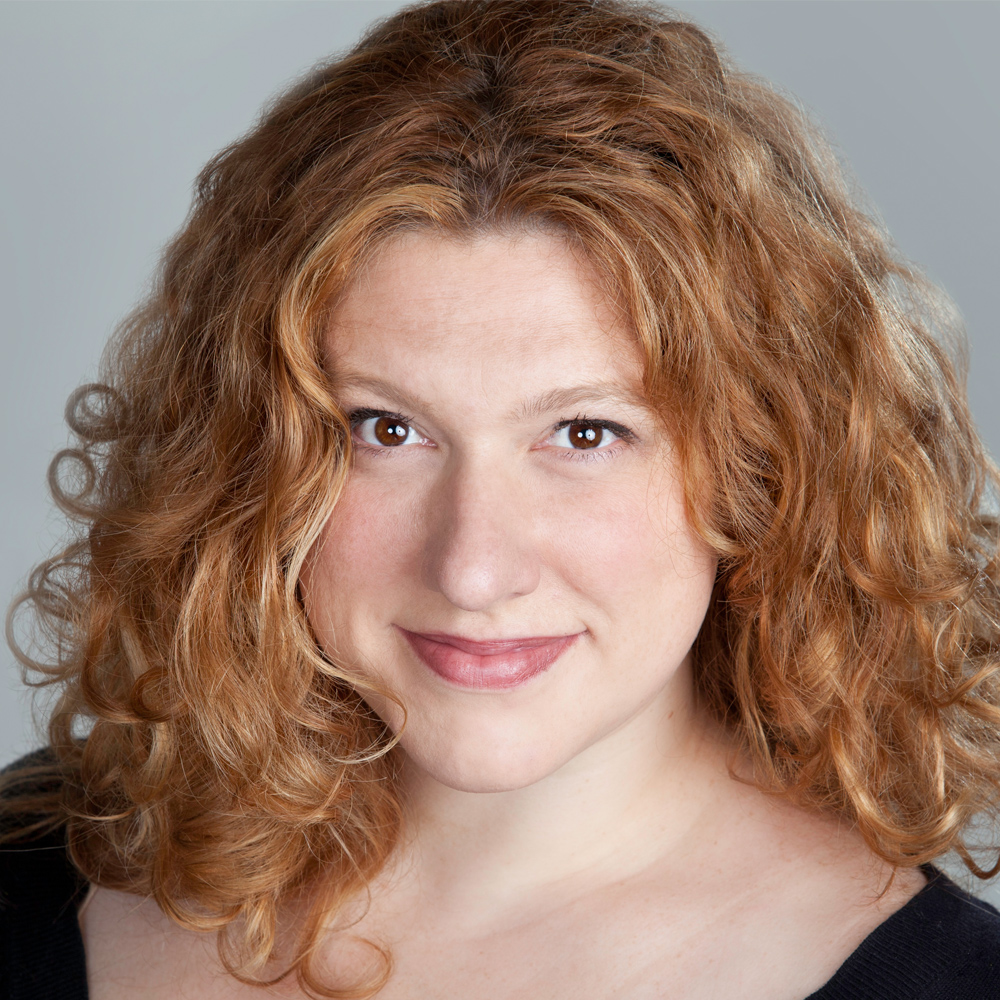
More than 186 roles in 101 productions, including Volumnia in Coriolanus, Olivia in Twelfth Night; Regan in King Lear; Margaret in both Henry VI, Part 1 and Part 2; Isabella in Measure for Measure;…
THIS SEASON: Friar Lawrence in Romeo and Juliet and Antipholus of Ephesus in The Comedy of Errors.
Callapine
previously with asc: 44 roles in 21 productions, including Cyrano in Cyrano de Bergerac; Benedick in Much Ado About Nothing; Puck in A Midsummer Night’s Dream; Warwick in Henry VI, …

PREVIOUSLY WITH ASC: 27 seasons and over 200 roles including Falstaff in Henry IV, Parts 1 & 2; Brutus in Julius Caesar; Iago in Othello; Guildenstern in Rosencrantz and Guildenstern …
Pilia-Borza
Benjamin has been an Artistic Associate with the American Shakespeare Center since 2001. He has toured the country twice as an actor (Bright Heaven of Invention and Excellent Motion tours) and once as the Company Manager for the Beguile the Rich tour.
Bellamira
previously with asc: Cordelia in King Lear, Viola in Twelfth Night, Mariana in Measure for Measure, Duchess of Gloucester in Richard II. other theatres: Mrs. Martin in Thomas and Friends …

THIS SEASON: Host, Mistress Quickly in The Merry Wives of Windsor; Earl of Westmoreland, Mistress Quickly in Henry IV, Part 1…
More than 186 roles in 101 productions, including Volumnia in Coriolanus, Olivia in Twelfth Night; Regan in King Lear; Margaret in both Henry VI, Part 1 and Part 2; Isabella in Measure for Measure;…
Abbess
previously with asc: Cordelia in King Lear, Viola in Twelfth Night, Mariana in Measure for Measure, Duchess of Gloucester in Richard II. other theatres: Mrs. Martin in Thomas and Friends …
Nun
previously with asc: Tribulation Wholesome in The Alchemist; Somerset, Saye in Henry VI, Part 2; Caius Lucius in Cymbeline; Del Bosco in The Jew of Malta. Other credits: Tour Operations …
First Knight
previously with asc: Second Woman, Officer, Second Merchant in Volpone; First Knight, Slave in The Jew of Malta. other theatres: Thief in The Three Musketeers (Salt Lake Repertory, Salt Lake …
Martin del Bosco
previously with asc: Tribulation Wholesome in The Alchemist; Somerset, Saye in Henry VI, Part 2; Caius Lucius in Cymbeline; Del Bosco in The Jew of Malta. Other credits: Tour Operations …
Artistic Team
Prompter
previously with asc: Burgundy in King Lear, Valentine, Fabian in Twelfth Night, Abhorson in Measure for Measure, Bloody Captain in Macbeth, Roman Captain in Cymbeline. other theatres: Demetrius in A …
Prompter
previously with asC: Florida in The Witch. other theatres: Gertrude, Ophelia in Hamlet (AFTLS, US Tour); Helga in Kindertransport (Octagon Theatre, Bolton, Lancashire); Lucio, Marianna, Elbow in Measure for Measure …
stuff that happens in the play
- Barabas, the rich Jew of Malta, counts his money as he waits for news about the return of his ships from the East.
- To his horror, Barabas learns that all the Jews in Malta must forfeit half of their estate to help the government pay the Turks.
- Barabas protests and Ferneze, the governor of Malta, confiscates all of Barabas’s wealth and turns Barabas’s house into a convent.
- Abigail, Barabas’s daughter, pretends to convert to Christianity in order to smuggle her father’s gold out of the convent at night.
- Ferneze mets with Del Bosco, the Spanish Vice-Admiral, who convinces Ferneze to break his alliance with the Turks in return for Spanish protection.
- Barabas dupes Ferneze’s son, Lodowick, into thinking Abigail will marry him.
- Barabas buys Ithamore, a slave who hates Christians as much as his new master does.
- Barabas orders Abigail to get betrothed to Lodowick, in spite of her relationship with another man, Mathias.
- Barabas tricks Lodowick and Mathias into a duel.
- Ithamore falls in love with the prostitute Bellamira, who, with her pimp Pilia-Borza, is scheming to steal Barabas’s money.
- Abigail learns of her father’s treachery against Mathias and returns to the convent.
- Barabas cooks a special dish for the nuns.
- Ferneze tells the Turks he will not pay for them and they threaten to attack the island.
- False conversions, deaths, and deep-frying ensues.
a plague on all your houses of worship
Just as Volpone, though inhabited by comedic types and structured like a comedy, takes us into the oral world of tragedy; The Jew of Malta with its deaths and tragic protagonist surprisingly leaves us on some odd, comic shore, aghast at the very laughter it produces.
Where Marlowe’s other works look at distant countries or times – Tamburlaine at Asia Minor, Edward II at Medieval England, and Doctor Faustus at Germany a century earlier – The Jew of Malta looks at a Mediterranean almost contemporary to Marlowe’s time. This is the Marlowe play that works most subversively to give his audience a satiric mirror on their own fears and bigotry.
He achieves this mischief through the character of Barabas, a larger than life cartoon of the English conception both of the Machiavel and of the Jew. Barabas’s name, of course, is a reference to the criminal freed from execution at the crucifixion; it’s both the evil and the comic genius of the play that Barabas is obviously an anti-Semite’s idea of a Jew. What also becomes obvious is that the Christians and the Muslims who surround him are themselves despicable and that Marlowe is sending ten plagues on all religious houses. The result is a play that becomes ever more wacky in its illustration of evil.
Wacky and breathtaking.
For at the heart of this play is the soaring imagination of the man wholly contemptuous of taboos. Untrammeled by a sense of limits, Marlowe’s mind considers “all things between the quiet poles,” and that fearlessness together with his “mighty line” – the ravishing iambic pentameter that he introduced to the English stage – gives the play a kind of inexhaustible delight. We never seem to anticipate the horrors Marlowe is willing to depict, nor the ease and beauty with which he will describe those horrors.
What makes us laugh is our continual surprise at our own fascination with evil and at the pleasure we share with Barabas as he wreaks havoc on his enemies. At his “tragic” end we know ourselves too good to mourn for such an evil protagonist, but we also know that we will miss him.
And knowing that is really very funny.
Ralph Alan Cohen
Director of Mission