
March 12 – April 5, 2014
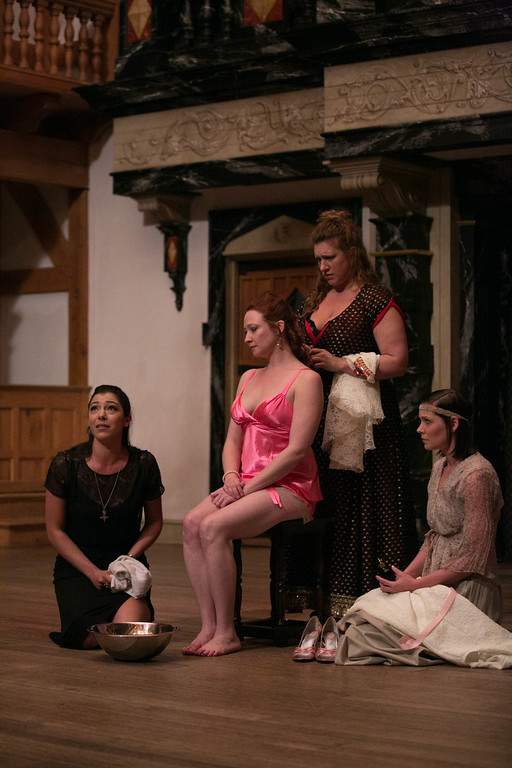
Abbi Hawk, Sarah Fallon, Allison Glenzer, and Tracie Thomason in THE MAID'S TRAGEDY. Photo by LINDSAY WALTERS. 2014.

The cast of THE MAID'S TRAGEDY. Photo by LINDSAY WALTERS. 2014.

Gregory Jon Phelps and Abbi Hawk in THE MAID'S TRAGEDY. Photo by LINDSAY WALTERS. 2014.

René Thornton, Jr. and Gregory Jon Phelps in THE MAID'S TRAGEDY. Photo by LINDSAY WALTERS. 2014.

Allison Glenzer, Abbi Hawk, and Tracie Thomason in THE MAID'S TRAGEDY. Photo by LINDSAY WALTERS. 2014.
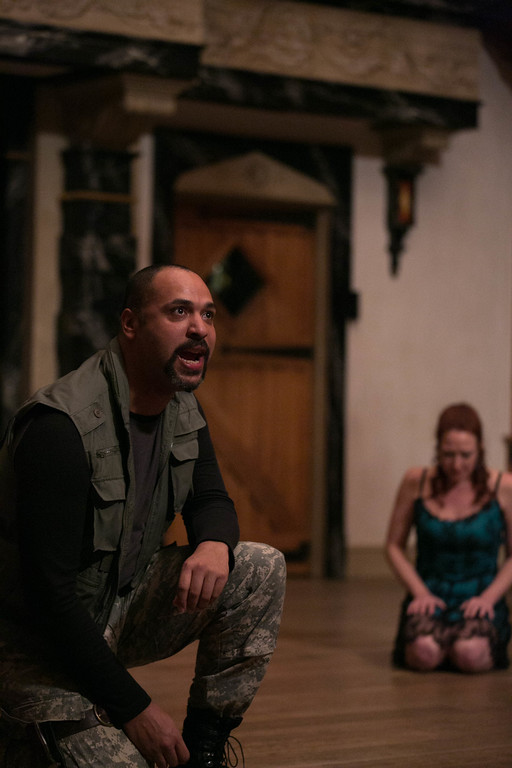
René Thornton, Jr. and Sarah Fallon in THE MAID'S TRAGEDY. Photo by LINDSAY WALTERS. 2014.
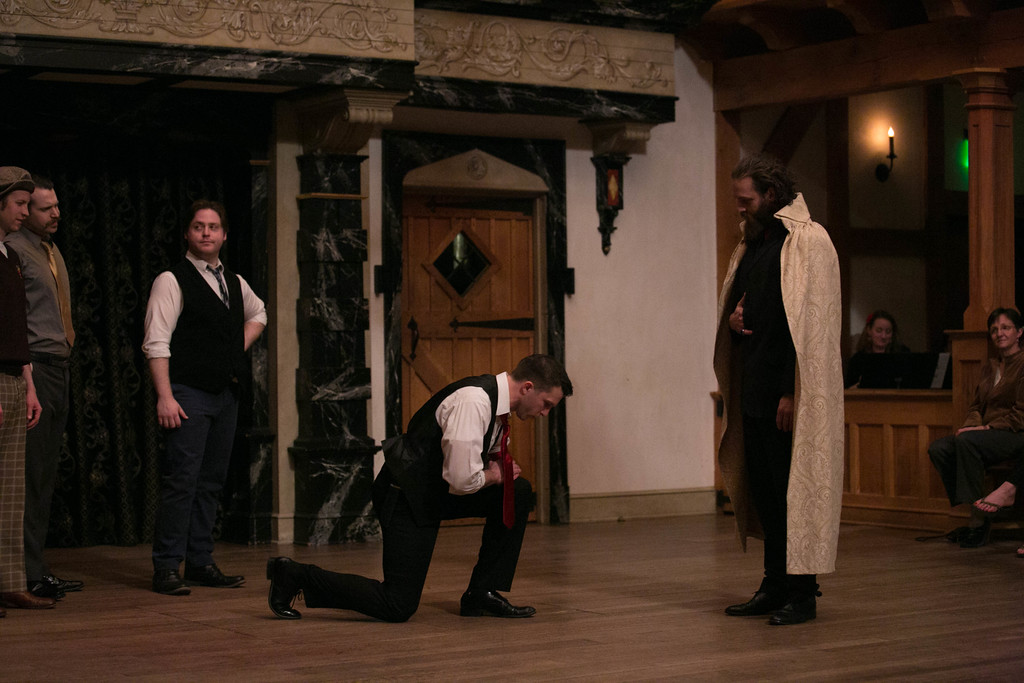
Andrew Goldwasser, Gregory Jon Phelps, Jonathan Holtzman, and the cast of THE MAID'S TRAGEDY. Photo by LINDSAY WALTERS. 2014.
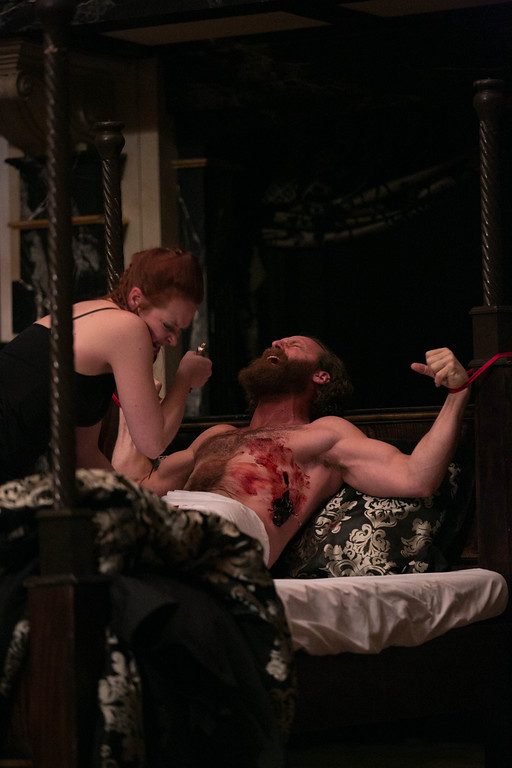
Sarah Fallon and Jonathan Holtzman in THE MAID'S TRAGEDY. Photo by LINDSAY WALTERS. 2014.

The cast of THE MAID'S TRAGEDY. Photo by LINDSAY WALTERS. 2014.

Abbi Hawk, Gregory Jon Phelps, and Sarah Fallon in THE MAID'S TRAGEDY. Photo by LINDSAY WALTERS. 2014.
Cast
The King
PREVIOUSLY WITH ASC: Weird Sister, Macduff in Macbeth; Lignière, Bellerose, Carbon in Cyrano de Bergerac; Antipholus of Ephesus in The Comedy of Errors; Pembroke, Spencer Senior in Edward II; Simonides, …

Hamlet in Hamlet; Mowbray, Percy, Groom in Richard II; Hamlet in Rosencrantz and Guildenstern Are Dead; Petulant in The Way of the World; Castillo, Senator in Antonio’s Revenge.

THIS SEASON: Friar Lawrence in Romeo and Juliet and Antipholus of Ephesus in The Comedy of Errors.

THIS SEASON: Mark Antony in JULIUS CAESAR, Mrs. Bennet & Lady Catherine de Bourgh in PRIDE AND PREJUDICE, Egeus & Flute in A MIDSUMMER NIGHT’S DREAM

PREVIOUSLY WITH ASC: More than 137 roles in 113 productions, including the title roles in Coriolanus; King Lear; Edward II; Timon of Athens; The Merchant of Venice; Pericles; Doctor Faustus; …

Polonius, Fortinbras in Hamlet; Northumberland in Richard II; Polonius, Fortinbras in Rosencrantz and Guildenstern Are Dead; Mirabell in The Way of the World; Alberto, Page in Antonio’s Revenge.

This Season: Alice Ford in The Merry Wives of Windsor; Lady Percy, Prince John in Henry IV, Part 1; Courtney Ash in Anne Page Hates Fun…

PREVIOUSLY WITH ASC: 27 seasons and over 200 roles including Falstaff in Henry IV, Parts 1 & 2; Brutus in Julius Caesar; Iago in Othello; Guildenstern in Rosencrantz and Guildenstern …
Cleon
PREVIOUSLY WITH THE ASC: Fluellen, Bedford, Constable of France in Henry V; Casca, Titinius, Strato, Plebian in Julius Caesar; Lady Bracknell in The Importance of Being Earnest; Captain Bluntschli in …

Chris Johnston has over 20 years of theatre experience and more than 120 productions at the American Shakespeare Center.

More than 186 roles in 101 productions, including Volumnia in Coriolanus, Olivia in Twelfth Night; Regan in King Lear; Margaret in both Henry VI, Part 1 and Part 2; Isabella in Measure for Measure;…
Antiphilia
PREVIOUSLY WITH ASC: More than 20 roles in 15 productions, including Juliet in Romeo and Juliet; Helena in All’s Well That Ends Well; Helen, Diomedes, Alexander in Troilus and Cressida; …
More than 186 roles in 101 productions, including Volumnia in Coriolanus, Olivia in Twelfth Night; Regan in King Lear; Margaret in both Henry VI, Part 1 and Part 2; Isabella in Measure for Measure;…
More than 186 roles in 101 productions, including Volumnia in Coriolanus, Olivia in Twelfth Night; Regan in King Lear; Margaret in both Henry VI, Part 1 and Part 2; Isabella in Measure for Measure;…
Artistic Team
Stage Manager/Prompter/Understudy
Sara has been a member of the ASC team since the 2013 Summer and Fall Seasons. She grew up in Michigan (America’s high five), developing her love for Shakespeare and …
Properties Manager/Assistant Stage Manager/Understudy
Chris has been designing and building props for the ASC since 2012. In that time, he’s provided props for over 60 productions, including (from Shakespeare): The Merchant of Venice; The Two Gentlemen of Verona; Cymbeline; King John; Love’s Labour’s Lost; Twelfth Night; Julius Caesar; Henry VIII; The Two Noble Kinsmen; Romeo and Juliet; All’s Well That Ends Well; Troilus and Cressida; Othello; The Merry Wives of Windsor; Henry IV, Part 1; As You Like It; Timon of Athens; Macbeth; The Comedy of Errors; Pericles; Hamlet; Much Ado about Nothing; The Taming of the Shrew; Antony and Cleopatra; A Midsummer Night’s Dream; The Winter’s Tale; Henry VI, Parts 1, 2, and 3; Henry V; The Tempest; Measure for Measure; and King Lear.
Understudy
This is Symmonie’s seventh season as troupe understudy, having previously understudied more than 300 roles in 29 productions during the 2013, 2014, and 2015 Summer and Fall Seasons, and the …
Costume Shop Manager
Erin has been designing and building costumes for the ASC since 2005. Past ASC shows she designed include: The Fair Maid of the West, Wild Oats, Romeo and Juliet (2009, …
Wardrobe Manager
Mika Nesbit came to the American Shakespeare Center as an intern to work on the 2011 Summer and Fall Seasons. After graduating with a degree in Art and Theatre from …
Dramaturg
Stuff that happens in the play
- Melantius returns home to Rhodes and discovers that, at the behest of the King, his friend Amintor has married Evadne instead of Amintor’s former fiancée, Aspatia.
- Aspatia’s father, Calianax, rails at Melantius, blaming him for his sister Evadne’s marriage to Amintor. They are interrupted when the King arrives with Evadne to enjoy the wedding masque.
- While Evadne prepares for her wedding night, Aspatia sits by, grieving the loss of her fiancé Amintor. When he arrives, Evadne reveals that she has sworn not to sleep with him tonight or any other, “To-night! you talk as if I would hereafter.”
- Evadne reveals that the King is her lover and that he matched her with Amintor to protect her from scandal.
- Aspatia continues to mourn the loss of Amintor, forcing her servants to grieve with her.
- Melantius notices Amintor’s dejection and gets him to reveal the King’s plot.
- Melantius, in turn, plots revenge on the King. He asks his brother Diphilus and Aspatia’s father, Calinax, to help. Both agree, but Calinax immediately departs to warn the King.
- Melantius confronts Evadne about her relationship with the King, threatening “This sword shall be thy lover! tell, or I’ll kill thee.” She swears that she will kill the King in penance and “wash her stains away.”
- Dinner parties, bed tricks, regicide, duels, and death ensue.
1. When was the play first performed?
The play was first published in 1619, but the first performance date is generally agreed to have been between 1608 and 1611.
2. Where was the play first performed?
As a King’s Men play, The Maid’s Tragedy was likely first performed at the Blackfriars Playhouse.
3. Who wrote it?
Francis Beaumont and John Fletcher. Francis Beaumont (1584-1616), the son of a prominent Leicestershire family, went to Oxford (at age 13) and later received legal training at the Inner Temple. He seems never to have practiced law but was active in London literary circles and, in 1607, he wrote The Knight of the Burning Pestle (which the ASC has produced three times). Like Beaumont, John Fletcher (1579-1625) came from a distinguished family (his father was chaplain to Queen Elizabeth) and he probably went to university. He collaborated with Shakespeare on Henry VIII and The Two Noble Kinsmen. Between 1607 and 1613, Beaumont and Fletcher teamed up to write some of the most popular plays of the day, all of them for Shakespeare’s company, the King’s Men. Beaumont married well and retired from the stage in 1613, but Fletcher continued as the King’s Men’s chief playwright until his death in 1625.
4. How are these playwright like Shakespeare?
Their characters inhabit exotic worlds and explore gender and sexual politics through the convention of disguise in plays that center on romantic love.
5. How are these playwright unlike Shakespeare?
The plays of Beaumont and Fletcher usually work to make audiences temporarily uncomfortable but happy in the end (as you may have seen in our productions of their A King and No King and Philaster). Many of Shakespeare’s plays work in the opposite way. This play rather steadily and brilliantly works to our discomfort, and it does so through a heightened artificiality that is rare in Shakespeare.
6. What do scholars think about this play?
They mostly agree that The Maid’s Tragedy successfully merges romantic drama with revenge tragedy. ASC friend Andrew Gurr has edited the play and thinks the play is the rare early modern play with a completely original plot.
7. Is there any controversy surrounding the work?
Its exploration of the rights of kings and the extent to which a monarch can impress his will upon his subjects seems particularly apt in the years leading up to the English Civil War.
8. What characters should I especially look for?
Aspatia and Evadne stand out as two very different, but equally determined women in a world ruled by the wishes and whims of the men around them.
9. What scene should I especially look for?
The bedroom scene, due to its modern approach to bedroom games and its overturning of the bed trick tradition.
10. What is the language like?
Surprisingly modern and straightforward, with a fair amount of gallows humor.