
Piercing Eloquence Tour | 2008

Raffi Barsoumian, Scot Carson, and Chris Johnston in THE MERCHANT OF VENICE. Photo by TOMMY THOMPSON. 2008.

Chris Johnston, Raffi Barsoumian, and Scot Carson in THE MERCHANT OF VENICE. Photo by TOMMY THOMPSON. 2008.

Raffi Barsoumian in THE MERCHANT OF VENICE. Photo by TOMMY THOMPSON. 2008.

Josh Carpenter in THE MERCHANT OF VENICE. Photo by TOMMY THOMPSON. 2008.

Ginna Hoben in THE MERCHANT OF VENICE. Photo by TOMMY THOMPSON. 2008.

Daniel Kennedy in THE MERCHANT OF VENICE. Photo by TOMMY THOMPSON. 2008.

Ginna Hoben and Ellen Adair in THE MERCHANT OF VENICE. Photo by TOMMY THOMPSON. 2008.

Chris Johnston in THE MERCHANT OF VENICE. Photo by TOMMY THOMPSON. 2008.

Christopher Seiler in THE MERCHANT OF VENICE. Photo by TOMMY THOMPSON. 2008.

Evan Hoffmann and Josh Carpenter in THE MERCHANT OF VENICE. Photo by TOMMY THOMPSON. 2008.
Cast
Antonio
previously with asc: Sly, Gremio, Nathaniel, Tailor in The Taming of the Shrew, Antonio in The Merchant of Venice, Exeter, Erphingham, Chorus in Henry V. other theatres: 5-season company member …
Bassanio
PREVIOUSLY WITH ASC: Laertes, Player Queen in Hamlet; Alfred in Rosencrantz and Guildenstern Are Dead; Petruchio in The Taming of the Shrew. OTHER THEATRES: Yasha in The Cherry Orchard, Colonel …

Christopher Seiler is a seasoned actor and musician whose performances embody transformation and connection, captivating audiences at ASC and beyond.

Alisa Ledyard, Actor at the American Shakespeare Center (ASC). Explore her theater experience, education, and background.
Tubal
Previously with asc: More than 44 roles in 43 productions, including Balthazar, Antonio in Much Ado About Nothing; Hastings in Richard III; Sir Bounteous Progress in A Mad World, My …
Gratiano
previously with asc: Henry in Henry V, Gratiano, Balthazar in The Merchant of Venice, Biondello, the Lord in The Taming of the Shrew. other theatres: Henry in Henry V (Elden …
Lorenzo
previously with asc: Grumio, Vincentio in The Taming of the Shrew, Lorenzo, Arragon in The Merchant of Venice, Gower, Nym, Westmoreland in Henry V. other theatres: Norfolk, Blunt, Berkely in …

Chris Johnston has over 20 years of theatre experience and more than 120 productions at the American Shakespeare Center.
Solanio
previously with asc: Lucentio in The Taming of the Shrew, Solanio, Morocco, Duke in The Merchant of Venice, Bardolph, Macmorris, Williams, Orleans, York in Henry V. other theatres: Orlando in …
Launcelot Gobbo
Previously with asc: More than 44 roles in 43 productions, including Balthazar, Antonio in Much Ado About Nothing; Hastings in Richard III; Sir Bounteous Progress in A Mad World, My …
Duke of Venice
previously with asc: Lucentio in The Taming of the Shrew, Solanio, Morocco, Duke in The Merchant of Venice, Bardolph, Macmorris, Williams, Orleans, York in Henry V. other theatres: Orlando in …
Portia
previously with asc: Portia in The Merchant of Venice, Bianca in The Taming of the Shrew, Katherine and the Boy in Henry V. other theatres: Raina in Arms and the …
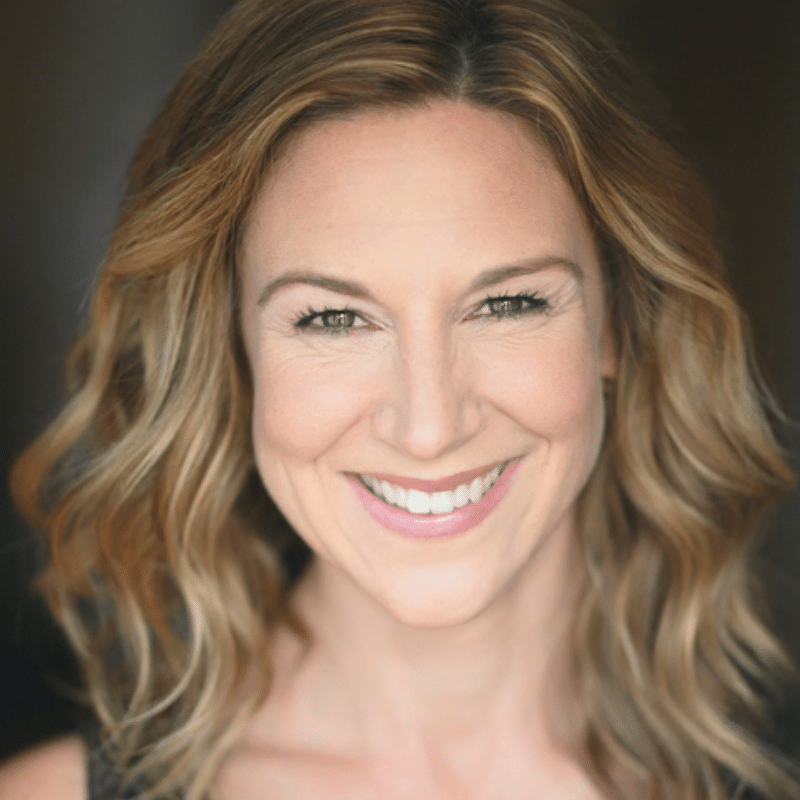
THIS SEASON: Actor in THE COMPLETE WORKS OF WILLIAM SHAKESPEARE (abridged) [revised] (again)
Prince of Morocco
previously with asc: Lucentio in The Taming of the Shrew, Solanio, Morocco, Duke in The Merchant of Venice, Bardolph, Macmorris, Williams, Orleans, York in Henry V. other theatres: Orlando in …
Prince of Arragon
previously with asc: Grumio, Vincentio in The Taming of the Shrew, Lorenzo, Arragon in The Merchant of Venice, Gower, Nym, Westmoreland in Henry V. other theatres: Norfolk, Blunt, Berkely in …
Balthazar
previously with asc: Henry in Henry V, Gratiano, Balthazar in The Merchant of Venice, Biondello, the Lord in The Taming of the Shrew. other theatres: Henry in Henry V (Elden …
Artistic Team
Director
PJ Paparelli is in his third season as Artistic Director of Perseverance Theatre in Juneau, Alaska where he has directed A Midsummer Night’s Dream, Voyage, columbinus, Twelfth Night, Hair, Hamlet, …
Assistant Director
Aaron has been the Resident Troupe Manager since the 2008 Summer Season. In previous seasons with the ASC, Aaron has directed The Santaland Diaries and A Christmas Carol; been the …

Jenny McNee joined the ASC in 2002 after studying in Richmond, Charlottesville, and Edinburgh, Scotland. She has designed and built nearly 100 shows (60 resident and touring shows, 35 holiday …
Costumer
Erin has been designing and building costumes for the ASC since 2005. Past ASC shows she designed include: The Fair Maid of the West, Wild Oats, Romeo and Juliet (2009, …
Stuff that happens in the play
- Antonio, the “merchant of Venice,” is sad; his friends try to cheer him up. Bassanio, Antonio’s closest friend, asks Antonio for financial help in wooing Portia, the rich heiress of Belmont. Antonio’s “fortunes are at sea,” so he cannot provide Bassanio with cash, but he agrees to “inquire where money is” and leaves with Bassanio to find someone who will loan him the money.
- Portia and Nerissa lament the “lottery” provision in the will of Portia’s dead father: a potential suitor must choose among three caskets; the suitor who chooses the correct casket, which contains a portrait of Portia, wins Portia’s hand. Suitors risk much: “if [they] choose wrong, never to speak to lady afterward in way of marriage.” Portia and Nerissa then mock the suitors who have already come courting.
- Bassanio and Antonio ask Shylock, a rich Jewish moneylender, for a loan of three thousand ducats. Shylock offers to lend the money under the condition that, if Antonio is unable to pay back the appointed amount on the appointed day, Antonio must forfeit a pound of his “fair flesh.” Antonio agrees.
- The Prince of Morocco arrives in Belmont to woo Portia.
- Launcelot Gobbo decides to leave the service of Shylock and become Bassanio’s servant.
- Jessica, Shylock’s daughter, says goodbye to Launcelot and then makes plans to elope with Lorenzo, a Christian friend of Antonio and Bassanio.
- At Belmont, the Prince of Morocco and the Prince of Arragon choose caskets.
- Shylock discovers that his daughter has eloped with a Christian and that Antonio’s ship will not arrive in time to pay the loan. Shylock decides that he will demand the pound of flesh promised to him in Antonio’s bond.
- Bassanio arrives in Belmont, chooses a casket, and his friends from Venice arrive in Belmont to tell Bassanio that Shylock is demanding the pound of flesh from Antonio.
- Marriages, disguises, judgements, and things with rings ensue.
love, hate, and commerce
Our approach to this production of The Merchant of Venice at the American Shakespeare Center stems from two aspects of Shakespeare’s profound and unparalleled talent: his keen observation of human behavior and his sensitivity to the social and political consciousness of the world around him. We wanted to explore both the artist’s personal journey, reflected in his characters, as well as his social commentary on modern England. Penned among the complex comedies of Much Ado About Nothing, Twelfth Night, and As You Like It, Merchant combines the maturation of romantic coupling with a deep-seated darkness that dangerously affects the characters’ ability to judge. But before we began to connect to the characters, we needed to be clear about the social commentary.
I began with the ambiguous title; it refers to a merchant, one who participates in commerce. Commerce is at the heart of almost every interaction in the play; it is often mistaken for or masked under the guise of love. Between all of the relationships in the play there is a gray area between commerce and love that clouds intent. In addition, Shakespeare specifically sets the play in Venice, the center of commerce in the Elizabethan world. The characters are inescapably surrounded by the gains and losses of business transaction. I kept asking myself, “If money is at the heart of this community, how does this affect the lives of the people who live there? What would they do for money? And what does money do to them?”
Just below the surface of Shakespeare’s mercantile society lies an al too familiar undercurrent of hate. Although Elizabethan England was saturated with an openly racist and anti-Semitic point of view, Shakespeare aims its release during business transactions. There is no reason for these characters to hate each other, except for their competition in business. Healthy bartering turns to religious attacks in an instant. As with any bigoted mentality, they stop realizing there is a human being across from them. All they see is what is different from them, and that must be wrong.
Along with the timelessness of romance, friendship, and sacrifice, Shakespeare observes a society that perpetually attacks what it does not understand. Whether we say it out loud or think it in our heads it is there. When we judge from the outside we continually find ourselves taking less and less time to understand the true value of another person. We take one look and place an uninformed value on someone. If it takes too long to understand, we dismiss it. Shakespeare pits our human capacity for love and hate together in his world of commercial transaction. Just as we can have sympathy for Shylock, we can also find Portia distasteful. Once again, he is holding the mirror up to nature, and we don’t always like what we see.
As you may know, the American Shakespeare Center has a wonderfully focused canvas on which to paint. These guidelines have created much of the world of this production. As in Shakespeare’s time, we have an ensemble of performers, who have taken elements of their contemporary world in order to tell a story about a world far from their own. Just as Shakespeare’s company would have taken costumes and props from his world, so has this company from ours. The play is not modernized; the story, the characters, the place is entirely Elizabethan. However, the world that we have mined to tell this story is our own: contemporary America. Along with our talent and love of Shakespeare, the artists involved all have one thing in common: we are fueled with a passion to tell this story. Just as Shakespeare has done with The Merchant of Venice, we are commenting on the world around us with the hope that our two-hours traffic will effect some small change in the world today.
PJ Paparelli
Guest Director