
January 16 – April 6, 2014
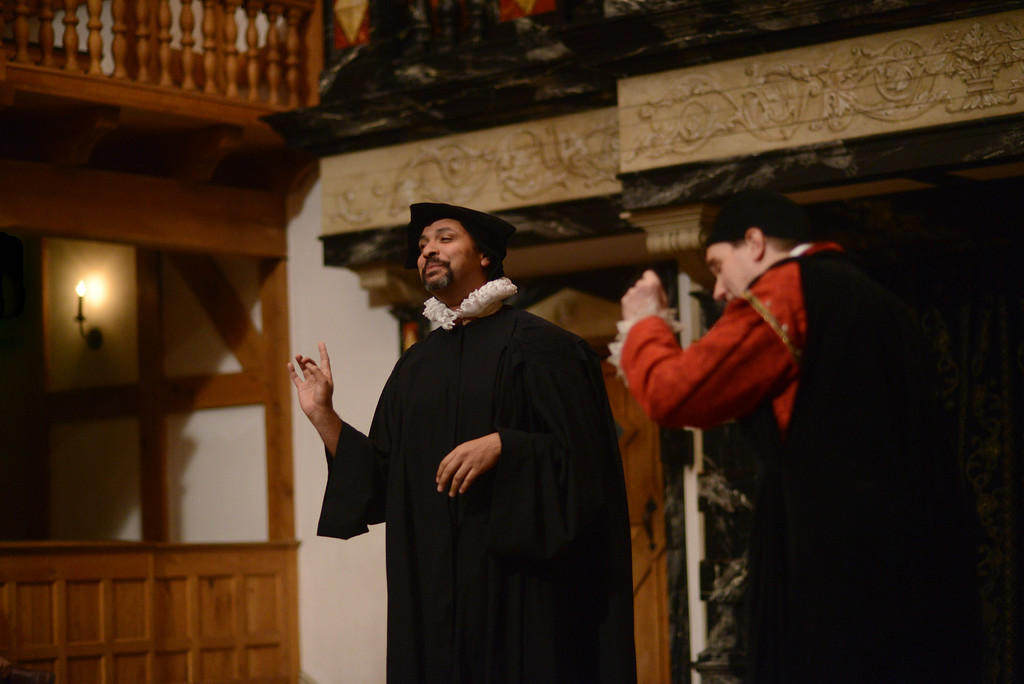
René Thornton, Jr. and John Harrell in THE SERVANT OF TWO MASTERS. Photo by PAT JARRETT. 2014
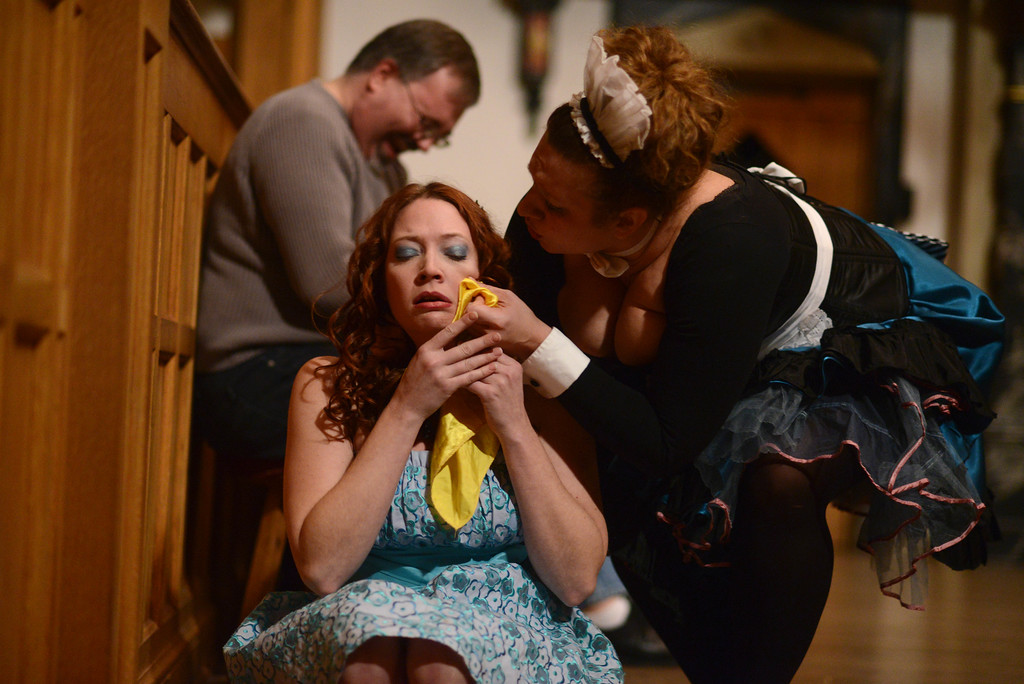
Sarah Fallon and Allison Glenzer in THE SERVANT OF TWO MASTERS. Photo by PAT JARRETT. 2014
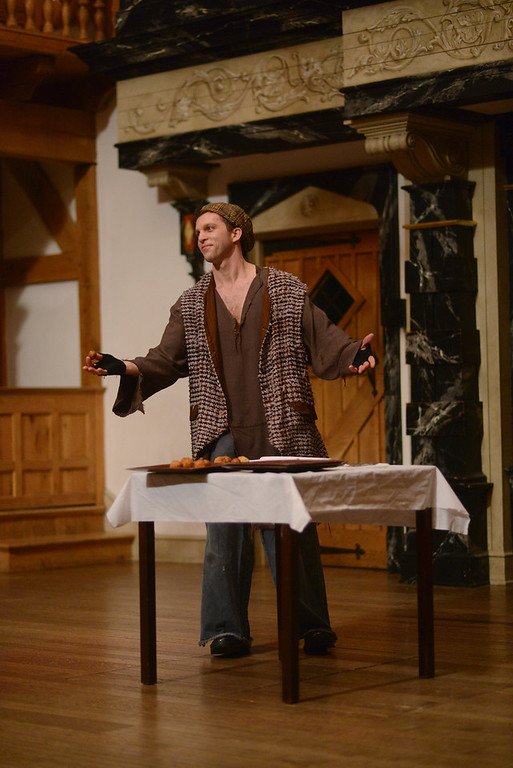
Gregory Jon Phelps in THE SERVANT OF TWO MASTERS. Photo by PAT JARRETT. 2014
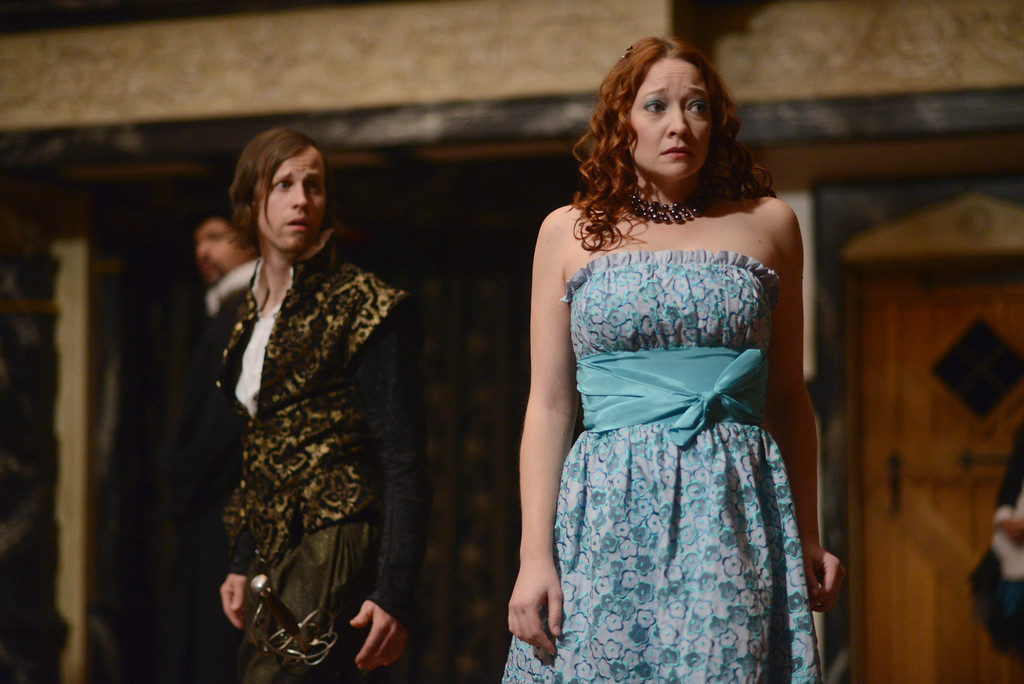
Chris Johnston and Sarah Fallon in THE SERVANT OF TWO MASTERS. Photo by PAT JARRETT. 2014
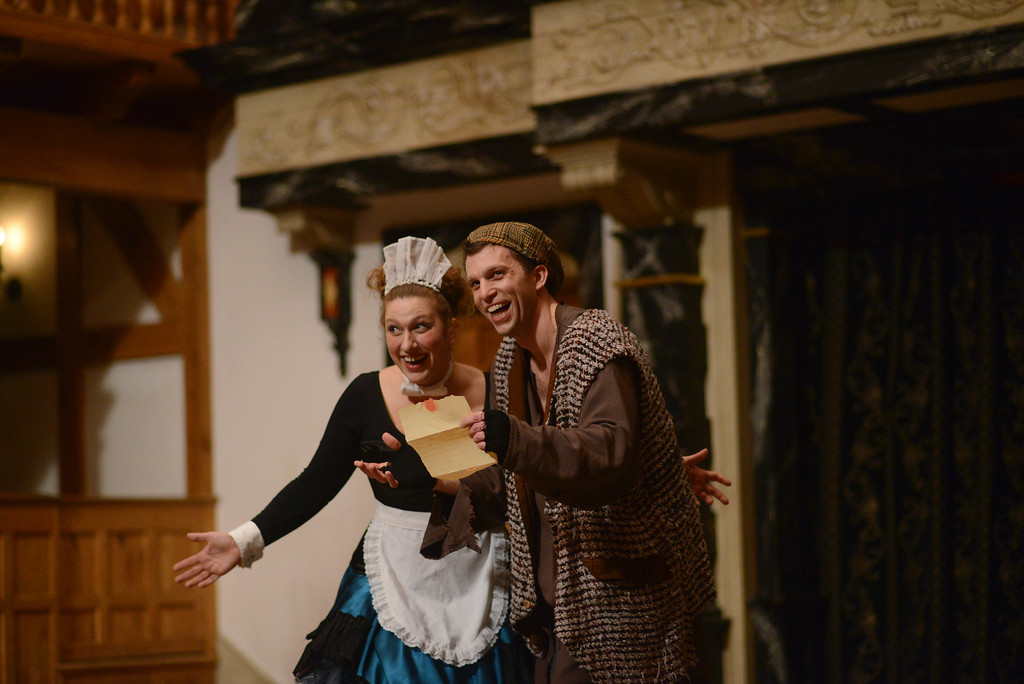
Allison Glenzer and Gregory Jon Phelps in THE SERVANT OF TWO MASTERS. Photo by PAT JARRETT. 2014
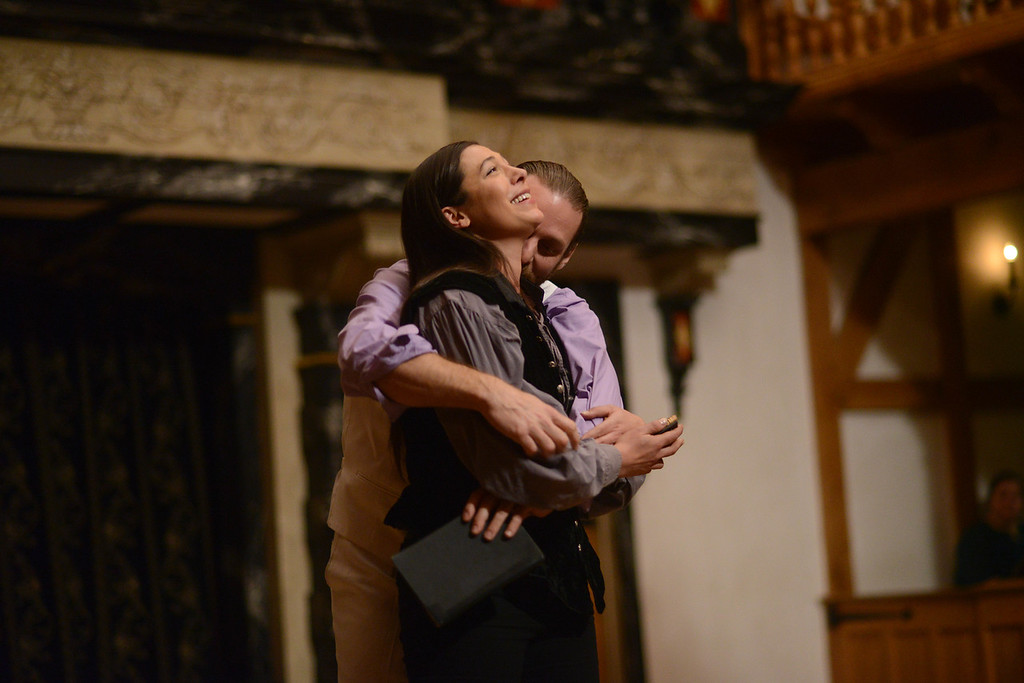
Abbi Hawk and Jonathan Holtzman in THE SERVANT OF TWO MASTERS. Photo by PAT JARRETT. 2014
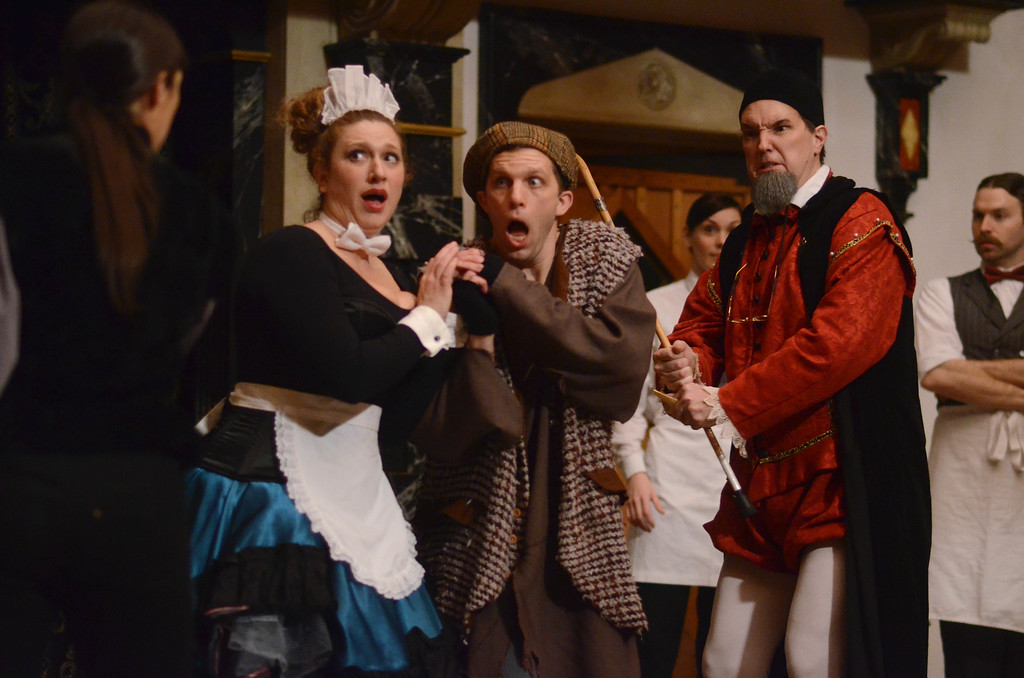
The cast of THE SERVANT OF TWO MASTERS. Photo by PAT JARRETT. 2014
Cast

PREVIOUSLY WITH ASC: 27 seasons and over 200 roles including Falstaff in Henry IV, Parts 1 & 2; Brutus in Julius Caesar; Iago in Othello; Guildenstern in Rosencrantz and Guildenstern …

THIS SEASON: Mark Antony in JULIUS CAESAR, Mrs. Bennet & Lady Catherine de Bourgh in PRIDE AND PREJUDICE, Egeus & Flute in A MIDSUMMER NIGHT’S DREAM

More than 186 roles in 101 productions, including Volumnia in Coriolanus, Olivia in Twelfth Night; Regan in King Lear; Margaret in both Henry VI, Part 1 and Part 2; Isabella in Measure for Measure;…

PREVIOUSLY WITH ASC: More than 137 roles in 113 productions, including the title roles in Coriolanus; King Lear; Edward II; Timon of Athens; The Merchant of Venice; Pericles; Doctor Faustus; …

Chris Johnston has over 20 years of theatre experience and more than 120 productions at the American Shakespeare Center.

THIS SEASON: Friar Lawrence in Romeo and Juliet and Antipholus of Ephesus in The Comedy of Errors.

This Season: Alice Ford in The Merry Wives of Windsor; Lady Percy, Prince John in Henry IV, Part 1; Courtney Ash in Anne Page Hates Fun…
Florindo
PREVIOUSLY WITH ASC: Weird Sister, Macduff in Macbeth; Lignière, Bellerose, Carbon in Cyrano de Bergerac; Antipholus of Ephesus in The Comedy of Errors; Pembroke, Spencer Senior in Edward II; Simonides, …

Hamlet in Hamlet; Mowbray, Percy, Groom in Richard II; Hamlet in Rosencrantz and Guildenstern Are Dead; Petulant in The Way of the World; Castillo, Senator in Antonio’s Revenge.

Polonius, Fortinbras in Hamlet; Northumberland in Richard II; Polonius, Fortinbras in Rosencrantz and Guildenstern Are Dead; Mirabell in The Way of the World; Alberto, Page in Antonio’s Revenge.
Second Waiter
PREVIOUSLY WITH THE ASC: Fluellen, Bedford, Constable of France in Henry V; Casca, Titinius, Strato, Plebian in Julius Caesar; Lady Bracknell in The Importance of Being Earnest; Captain Bluntschli in …
First Porter
PREVIOUSLY WITH ASC: More than 20 roles in 15 productions, including Juliet in Romeo and Juliet; Helena in All’s Well That Ends Well; Helen, Diomedes, Alexander in Troilus and Cressida; …
Second Porter
PREVIOUSLY WITH THE ASC: Fluellen, Bedford, Constable of France in Henry V; Casca, Titinius, Strato, Plebian in Julius Caesar; Lady Bracknell in The Importance of Being Earnest; Captain Bluntschli in …
Artistic Team
Stage Manager/Prompter/Understudy
Sara has been a member of the ASC team since the 2013 Summer and Fall Seasons. She grew up in Michigan (America’s high five), developing her love for Shakespeare and …
Properties Master/Assistant Stage Manager/Understudy
Chris has been designing and building props for the ASC since 2012. In that time, he’s provided props for over 60 productions, including (from Shakespeare): The Merchant of Venice; The Two Gentlemen of Verona; Cymbeline; King John; Love’s Labour’s Lost; Twelfth Night; Julius Caesar; Henry VIII; The Two Noble Kinsmen; Romeo and Juliet; All’s Well That Ends Well; Troilus and Cressida; Othello; The Merry Wives of Windsor; Henry IV, Part 1; As You Like It; Timon of Athens; Macbeth; The Comedy of Errors; Pericles; Hamlet; Much Ado about Nothing; The Taming of the Shrew; Antony and Cleopatra; A Midsummer Night’s Dream; The Winter’s Tale; Henry VI, Parts 1, 2, and 3; Henry V; The Tempest; Measure for Measure; and King Lear.
Understudy
This is Symmonie’s seventh season as troupe understudy, having previously understudied more than 300 roles in 29 productions during the 2013, 2014, and 2015 Summer and Fall Seasons, and the …
Costume Shop Manager
Erin has been designing and building costumes for the ASC since 2005. Past ASC shows she designed include: The Fair Maid of the West, Wild Oats, Romeo and Juliet (2009, …
Wardrobe Manager
Mika Nesbit came to the American Shakespeare Center as an intern to work on the 2011 Summer and Fall Seasons. After graduating with a degree in Art and Theatre from …
Stuff that happens in the play
- Lovers Clarice and Silvio are able to get engaged because Clarice’s prior betrothed, Federigo Rasponi, has died in a duel over the reputation of his sister.
- Truffaldino, a servant, arrives claiming to have been sent from Federigo Rasponi. He tells them that his master “sends his compliments, and he has come to see you.”
- Much to the dismay of the newly engaged couple, Federigo presents letters confirming his identity to Clarice’s father, Pantalone. Brighella, however, recognizes “Federigo” to actually be the dead man’s sister, Beatrice, in disguise.
- Pantalone upholds the previous promise of marriage between “Federigo” and Clarice. Silvio protests “sir, you have arrived too late. Signora Clarice is to be my wife.”
- Beatrice reveals to Brighella that she has followed Florinda, her brother’s killer and her beloved, to Venice.
- Florindo arrives at Brighella’s inn while Truffaldino waits there for Beatrice to arrive. Florindo hires Truffaldino as his servant.
- Beatrice arrives at the inn with Brighella, where she finds Truffaldino, now in service to both her and Florindo.
- Confusions, mistaken identities, big appetites, and happy endings ensue.
1. When was the play first performed?
1743.
2. Where was the play first performed?
Commedia dell’arte troupes travelled throughout Europe, but the first performance likely occurred in its setting – Venice.
3. Who wrote it?
Traditionally, commedia dell’arte performers improvised lines based on the outline written for them. Carlo Goldini wrote the original outline for The Servant of Two Masters at the behest of one of history’s most famous Truffaldinoes (a stock comic character, known for his nimbleness and incessant search for food) and then transcribed and edited the actors’ improvisational dialogue at later performances, revising the pla in 1753 to the version recognized today.
4. How is this playwright like Shakespeare?
Commedia dell’arte is an old Italian theatrical tradition pre-dating Shakespeare and one from which Shakespeare drew for his plays (especially The Comedy of Errors). Goldoni, however, is more like Shakespeare than other commedia dell’arte “playwrights” because he created a codified script for his plays rather than a précis from which the actors improvised. The tradition of commedia, with actors in control of the text, produces shows where the character and actor appear one. Shakespeare’s work has an ambiguous quality that produces a similar invitation to actors.
5. How is this playwright unlike Shakespeare?
Goldoni did not start his life in the theatre nor did he ever work as an actor. He started his professional life as a lawyer and moved to his theatrical career. Had Shakespeare, who was a busy litigant, lived longer, he might have moved in the opposite direction.
6. What do scholars think about this play?
They consider it one of the standard works in the tradition of commedia farce.
7. Is there any controversy surrounding the work?
No.
8. What characters should I especially look for?
Many of the characters follow the commedia dell’arte stock completely (all the way down to their character names). Keep an eye out for Pantalone, who’s often the butt of others’ jokes; il Dottore (Dr. Lombardi), who stands in the way of the young lovers; Smeraldina, a version of the female Harlequin; and, especially, Truffaldino, the witty servant of two masters.
9. What scene should I especially look for?
The double banquet scene is the play’s most famous, in which the eternally hungry Truffaldino has to serve a banquet to two different parties without their being aware of one another, while he himself never gets a bite.
10. What is the language like?
Originally written in Italian (Il servitore di due padroni), the play has been translated and adapted countless times since the 18th century. One of the most recent, One Man, Two Guvnors, by Richard Bean, is currently a West End hit in London. Our text, edited by Allison Glenzer, is from a translation by Edward J. Dent, which has the virtue of being smooth, straightforward, and in the public domain.