
Actors' Renaissance Season 2010

Miriam Donald and René Thornton, Jr. in TWELFTH NIGHT. Photo by TOMMY THOMPSON. 2010.

Sarah Fallon in TWELFTH NIGHT. Photo by TOMMY THOMPSON. 2010.

Allison Glenzer and Denice Burbach in TWELFTH NIGHT. Photo by TOMMY THOMPSON. 2010.

Benjamin Curns and Chris Johnston in TWELFTH NIGHT. Photo by TOMMY THOMPSON. 2010.

Allison Glenzer in TWELFTH NIGHT. Photo by TOMMY THOMPSON. 2010.

John Harrell in TWELFTH NIGHT. Photo by TOMMY THOMPSON. 2010.

Sarah Fallon and Miriam Donald in TWELFTH NIGHT. Photo by TOMMY THOMPSON. 2010.

2010 twelfth night blackfriars playhouse
Daniel Kennedy inTWELFTH NIGHT. Photo by TOMMY THOMPSON. 2010.

John Harrell, Benjamin Curns, and Allison Glenzer in TWELFTH NIGHT. Photo by TOMMY THOMPSON. 2010.

John Harrell, Gregory Jon Phelps, and Miriam Donald in TWELFTH NIGHT. Photo by TOMMY THOMPSON. 2010.
Cast
Sebastian
previously with asc: 44 roles in 21 productions, including Cyrano in Cyrano de Bergerac; Benedick in Much Ado About Nothing; Puck in A Midsummer Night’s Dream; Warwick in Henry VI, …

THIS SEASON: Friar Lawrence in Romeo and Juliet and Antipholus of Ephesus in The Comedy of Errors.
Curio
Previously with asc: 28 roles in 13 productions, including Lady Macbeth in Macbeth; Rosalind in As You Like It; Elbow, Marianna in Measure for Measure; Mistress Page in The Merry …
Valentine
previously with asc: 44 roles in 21 productions, including Cyrano in Cyrano de Bergerac; Benedick in Much Ado About Nothing; Puck in A Midsummer Night’s Dream; Warwick in Henry VI, …

THIS SEASON: Mark Antony in JULIUS CAESAR, Mrs. Bennet & Lady Catherine de Bourgh in PRIDE AND PREJUDICE, Egeus & Flute in A MIDSUMMER NIGHT’S DREAM
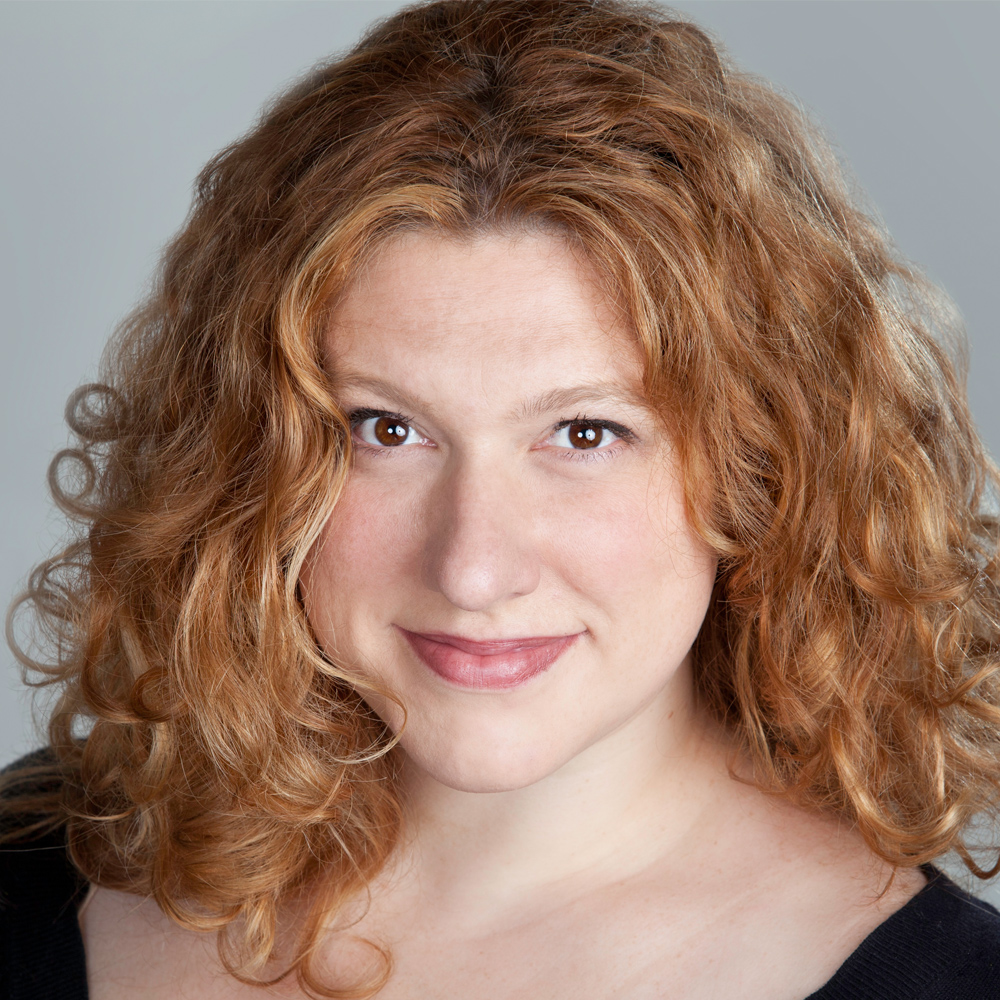
More than 186 roles in 101 productions, including Volumnia in Coriolanus, Olivia in Twelfth Night; Regan in King Lear; Margaret in both Henry VI, Part 1 and Part 2; Isabella in Measure for Measure;…
Malvolio
Previously with asc: More than 44 roles in 43 productions, including Balthazar, Antonio in Much Ado About Nothing; Hastings in Richard III; Sir Bounteous Progress in A Mad World, My …

PREVIOUSLY WITH ASC: 27 seasons and over 200 roles including Falstaff in Henry IV, Parts 1 & 2; Brutus in Julius Caesar; Iago in Othello; Guildenstern in Rosencrantz and Guildenstern …
Sir Toby Belch
Benjamin has been an Artistic Associate with the American Shakespeare Center since 2001. He has toured the country twice as an actor (Bright Heaven of Invention and Excellent Motion tours) and once as the Company Manager for the Beguile the Rich tour.

Chris Johnston has over 20 years of theatre experience and more than 120 productions at the American Shakespeare Center.
Fabian
Previously with asc: 28 roles in 13 productions, including Lady Macbeth in Macbeth; Rosalind in As You Like It; Elbow, Marianna in Measure for Measure; Mistress Page in The Merry …

PREVIOUSLY WITH ASC: More than 137 roles in 113 productions, including the title roles in Coriolanus; King Lear; Edward II; Timon of Athens; The Merchant of Venice; Pericles; Doctor Faustus; …
PREVIOUSLY WITH ASC: More than 137 roles in 113 productions, including the title roles in Coriolanus; King Lear; Edward II; Timon of Athens; The Merchant of Venice; Pericles; Doctor Faustus; …
Artistic Team
Prompter/Stage Manager
Aaron has been the Resident Troupe Manager since the 2008 Summer Season. In previous seasons with the ASC, Aaron has directed The Santaland Diaries and A Christmas Carol; been the …
Understudy
perviously with asc: 15 roles in 6 productions, including Widow in Taming of the Shrew; Lady Northumberland in Henry IV, Part 2; Starveling in A Midsummer Night’s Dream. other theatres: …
Understudy
Aaron has been the Resident Troupe Manager since the 2008 Summer Season. In previous seasons with the ASC, Aaron has directed The Santaland Diaries and A Christmas Carol; been the …
Understudy
Previously with ASc: Page, ensemble in The Malcontent; Young Queen, ensemble in Look About You; Understudy in Twelfth Night, The Taming of the Shrew, The Fair Maid of the West. …
Stuff that happens in the play
- Orsino, Duke of Illyria, expresses his love for the Lady Olivia, who is in mourning for her brother and refuses to admit the Duke’s men sent to woo on his behalf.
- Viola washes ashore in Illyria after a shipwreck that seems to have killed her twin brother. She decides to disguise herself as a man and serve Duke Orsino as his page.
- Olivia’s gentlewoman, Maria, chides Olivia’s kinsman, Sir Toby Belch, for staying out too late, drinking too much, and bringing Sir Andrew Aguecheek, a foolish knight, to woo Olivia.
- The Duke sends his new servant, Cesario (the disguised Viola), to woo Olivia for him. Cesario/Viola confesses “whoe’er I woo, myself would be his wife.”
- Olivia, Maria, and Olivia’s steward Malvolio all chide Feste, Olivia’s clown, for being absent from Olivia’s household. Feste quickly regains Olivia’s favor while earning the scorn of Malvolio.
- Cesario arrives to woo Olivia for the duke; Olivia says she cannot love the Duke; when Cesario leaves, Olivia confesses affection for Cesario.
- Olivia pretends that Cesario gave her a ring from the Duke and sends Malvolio to run after Cesario and return the ring.
- Malvolio “returns” the ring and Cesario/Viola realizes Olivia is in love with him/her.
- Viola’s twin brother, Sebastian, is still alive and tells the man who saved him, Antonio, that his sister is drowned and that he must leave Antonio to go to Orsino’s court.
- After Sebastian departs, Antonio confesses he has enemies in Orsino’s court, but he will follow Sebastian anyway.
- Toby, Sir Andrew, and Feste stay up late singing and drinking. Maria advises them to be quieter; Malvolio then breaks up the party and threatens to report them all to Olivia.
- Maria devises a plan to put Malvolio in his place.
- Cesario/Viola falls more in love with the Duke.
- Olivia falls more in love with Cesario/Viola.
- Sebastian arrives in Illyria.
- Yellow stockings, dark rooms, challenges, and marriage proposals ensue.
1. When was the play first performed?
As early as 1600.
2. Where was the play first performed?
We know for certain that the Lord Chamberlain’s Men performed the play for the Queen on February 2, 1602 at Middle Temple Hall. Before that it would probably have been performed at the Globe.
3. How does the play fit into Shakespeare’s career?
This play, coming after Hamlet, is at the pinnacle of Shakespeare’s career (the long lasting pinnacle) and – if we discount the “problem plays” – is the last of his great comedies.
4. How is this play like Shakespeare’s other plays?
Shipwreck, girl in boy’s clothing, sad clowns, lovesickness, twins – it’s all there.
5. How is this play unlike other Shakespeare plays?
The mixture of light and dark in this play is always present, not sudden and unexpected as in Much Ado or attached to one part of the story as in The Merchant of Venice. This play is also the most ensemble piece Shakespeare ever wrote: every role is substantial.
6. What do scholars think about this play?
As Stephen Booth says, the play is “universally admired.” He thinks one reason is that it “creates a music of ideas…that make us superior to the limitations of syntax and logic” (Precious Nonsense 121). That’s good enough for me.
7. Is there any controversy surrounding the work?
No. There is some debate about whether or not an audience should feel bad about the treatment of Malvolio.
8. What characters should I especially look out for?
As I suggest above, the play’s characters are al substantial and each has his or her own claim of your attention, but the three characters that are always most memorable to me are Malvolio, the play’s scapegoat; Andrew Aguecheek, the play’s lovable dope; and Feste, the Fool who seems to be an escape from the world of Hamlet.
9. What scene should I especially look for?
The gulling of Malvolio with the letter forged by Maria is always a crowd favorite, as is the resulting yellow stocking scene. I love the first meeting of Viola (Cesario) and Olivia and its mirror, the first meeting of Sebastian and Olivia.
10. What is the language like?
Magic. As opaque as air, as clear as steel.